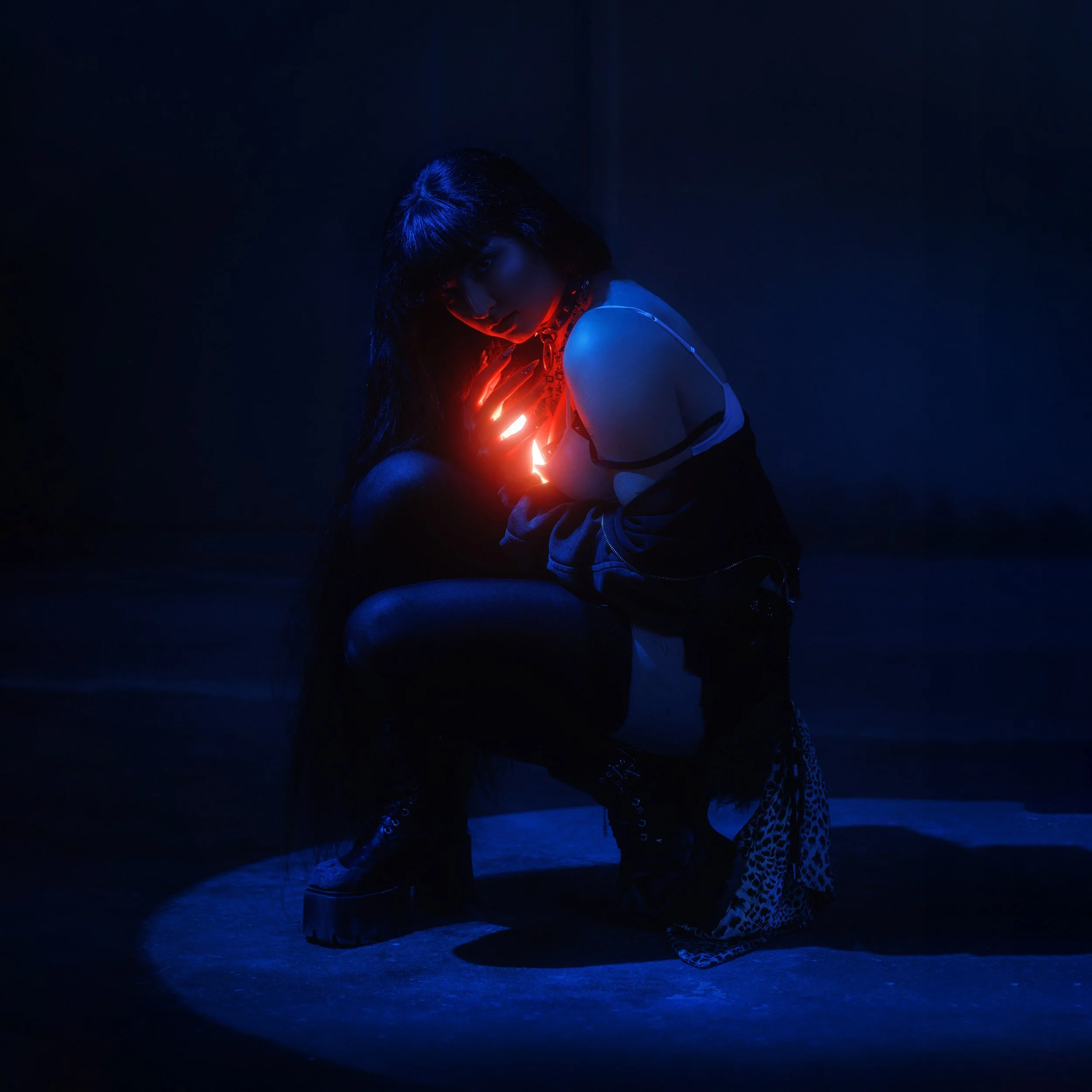
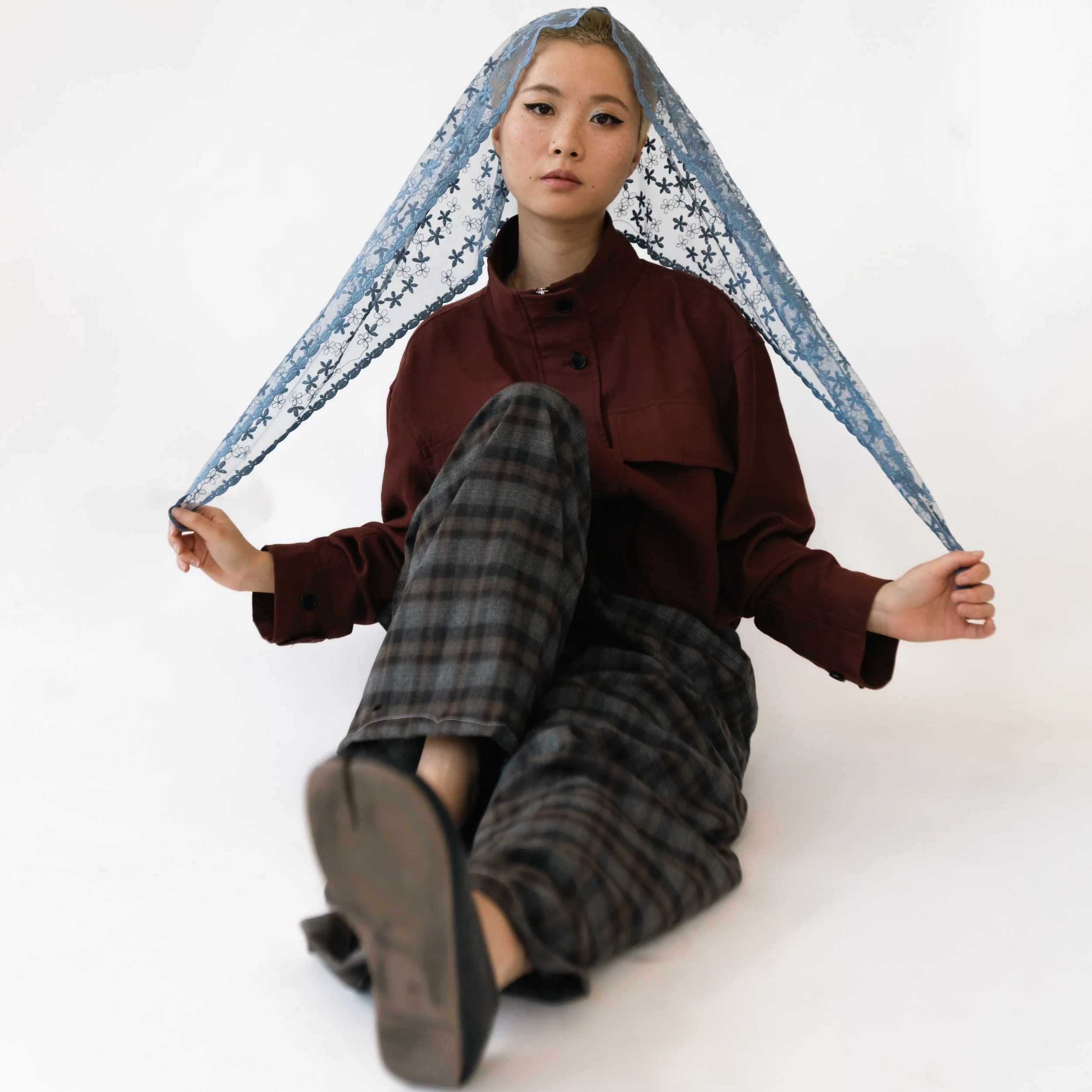
Yifei Zhou: MIO-ERA
Yifei Zhou Challenges the Idea That Healing Has to Make Sense on New Album ‘MIO-ERA’
There's a tendency in contemporary music to package emotional vulnerability into something easily understood, giving listeners a clear beginning, a defining heartbreak, and an eventual resolution. Shanghai-born artist Yifei Zhou takes a less accommodating approach on MIO-ERA, a ten-track record that refuses to treat personal growth as a straightforward journey.
Working across alternative folk, experimental composition, and culturally diverse musical traditions, Yifei Zhou constructs an album concerned with the uncomfortable spaces between knowing what needs to change and actually finding the strength to change it.
That distinction becomes particularly apparent on “Wandering” and “原地踏步” (“Standing in Place”), where isolation and emotional stagnation are examined without the reassurance of immediate progress. The two-part “Running Out Of Time” further complicates this perspective, confronting the uncomfortable reality that people sometimes remain attached to relationships they already know cannot last.
What makes MIO-ERA interesting is its resistance to conventional emotional storytelling. The record moves between English and Mandarin, drawing upon imagery associated with Chinese poetry while allowing nature, memory, and seasonal change to communicate feelings that ordinary conversation often fails to capture.
“鱼” (“Fish”) offers one of the album's strongest conceptual ideas, questioning whether forgetting someone is ever as simple as allowing time to pass. Meanwhile, “RESISTANCE,” informed by Audre Lorde's A Litany for Survival, broadens the record's perspective from private emotional struggles to the social pressures surrounding identity, expression, and survival.
At approximately 41 minutes, MIO-ERA asks for patience rather than passive consumption. Its conceptual ambitions demand attention, particularly from listeners accustomed to immediate hooks and clearly defined emotional conclusions.
The album's greatest strength lies in its willingness to leave difficult questions unresolved. Yifei Zhou understands that closure isn't always something life provides, and MIO-ERA makes a compelling argument that meaningful art doesn't necessarily have to provide it either.